You switch your thermostat from cool to heat on a chilly fall evening. The furnace kicks on, warm air starts flowing, and you think, “Looks like everything’s working. I probably don’t need to worry about furnace maintenance this year.”
Not so fast… it’s easy to assume your system is good to go, but hidden issues can show up when you need it most.
How Your Furnace Could Run Fine in October but Quit in January
When your furnace runs for ten minutes on a mild fall night in Crystal Lake, it’s barely breaking a sweat. But keeping your home warm during a deep January freeze, when it has to run long, hard cycles against bitter cold, is a whole different challenge.
Let’s look at why furnaces almost never quit during mild weather, what really goes on inside your system when winter gets tough, and how thorough furnace inspections can make sure your furnace is ready before the cold hits Crystal Lake, Hillside, and the rest of the Chicago suburbs.
The Cold-Snap Reality: What Actually Fails Under Load?
Furnaces don’t just stop working out of nowhere. Usually, a part that’s already worn out finally gives up when your system is working its hardest. In October, those little issues stay hidden. But when January’s deep freeze hits, they can turn into big problems.
The Blower Capacitor
This part stores the energy your blower motor needs to keep air moving. Over time, heat and use wear it down. On a freezing night when your furnace needs to run hard, a bad blower capacitor can cause your system overheat and shut everything down.
The Flame Sensor
Every gas furnace has a small metal rod that checks if the gas has lit. Over time, thin carbon builds up on it and impedes the point of flame. The flame sensor needs to be cleaned annually.
Condensate Drain Issues
High-efficiency furnaces are so good at pulling heat from fuel that they make a lot of water every day. If the drain inside gets clogged with gunk, water can back up. On warmer days, it might still drain slowly. But when it’s freezing, that backup can trigger a safety switch and shut your furnace off to prevent damage.
The “First Fire” Test: Normal vs. Red Flag
When you fire up your furnace for the first time this fall, your own senses are your best first tools. Knowing what’s normal and what’s a warning sign can help you avoid a winter breakdown.
1. That Burning Dust Smell
- Normal: A light, dusty burning odor during the first 10 minutes of operation is simply summer dust burning off the heat exchanger. It should dissipate quickly.
- Red Flag: If you smell something like burning plastic or an odd electrical odor, it could mean wiring is overheating or a motor part is about to fail.
2. Startup Sounds
- Normal: You’ll hear a soft whoosh when the burners light, and maybe a gentle ticking as the ducts warm up and expand. That’s all normal.
- Red Flag: If you hear a loud boom or bang when the furnace starts, it could mean gas is building up before it lights, which is a serious problem. Screeching, grinding, or rattling noises usually mean a part is wearing out or coming loose.
3. Cycling Behavior
- Normal: Your furnace should run smoothly, reach the temperature you set, and then shut off quietly.
- Red Flag: If your furnace starts, runs for just a minute or two, then shuts off and starts again, that’s called short-cycling. It often means something is overheating or airflow is blocked.
How Crystal Lake’s Architecture Influences Winter Heating
The way your home heats up in winter depends a lot on when it was built and its design.
- Historic Bungalows & Victorians (Downtown Crystal Lake & Dole Mansion area): Older homes often contend with uninsulated exterior wall cavities, high ceilings, and sprawling, gravity-style ductwork conversions. Furnaces in these homes run longer cycles to compensate for natural heat loss, placing excessive demand on gas valves and igniters.
- Subdivisions & Newer Builds (Water’s Edge at Three Oaks, The Sanctuary of Bull Valley, & Fieldstone): Tighter building envelopes and modern high-efficiency furnaces come with different vulnerabilities. They require strictly calibrated static duct pressures and unobstructed intake/exhaust PVC venting. If fallen autumn leaves or bird nests partially block PVC pipes outside, the system will fail to draft correctly.
Why a Furnace Tune-Up Is Really a Stress Test
A real furnace tune-up is more than just cleaning out dust or wiping down the cover. At Althoff Home Services, our 20-point inspection is designed to put your system through its paces and catch problems before they turn into breakdowns.
We check the electrical draw on your motors, test the strength of your capacitors, make sure your igniter is working right, and run a combustion test to check gas pressure and carbon monoxide levels. If something is starting to wear out, we’ll spot it now, when it’s easy and convenient to fix.
Avoid the Peak-Load Trap with Althoff
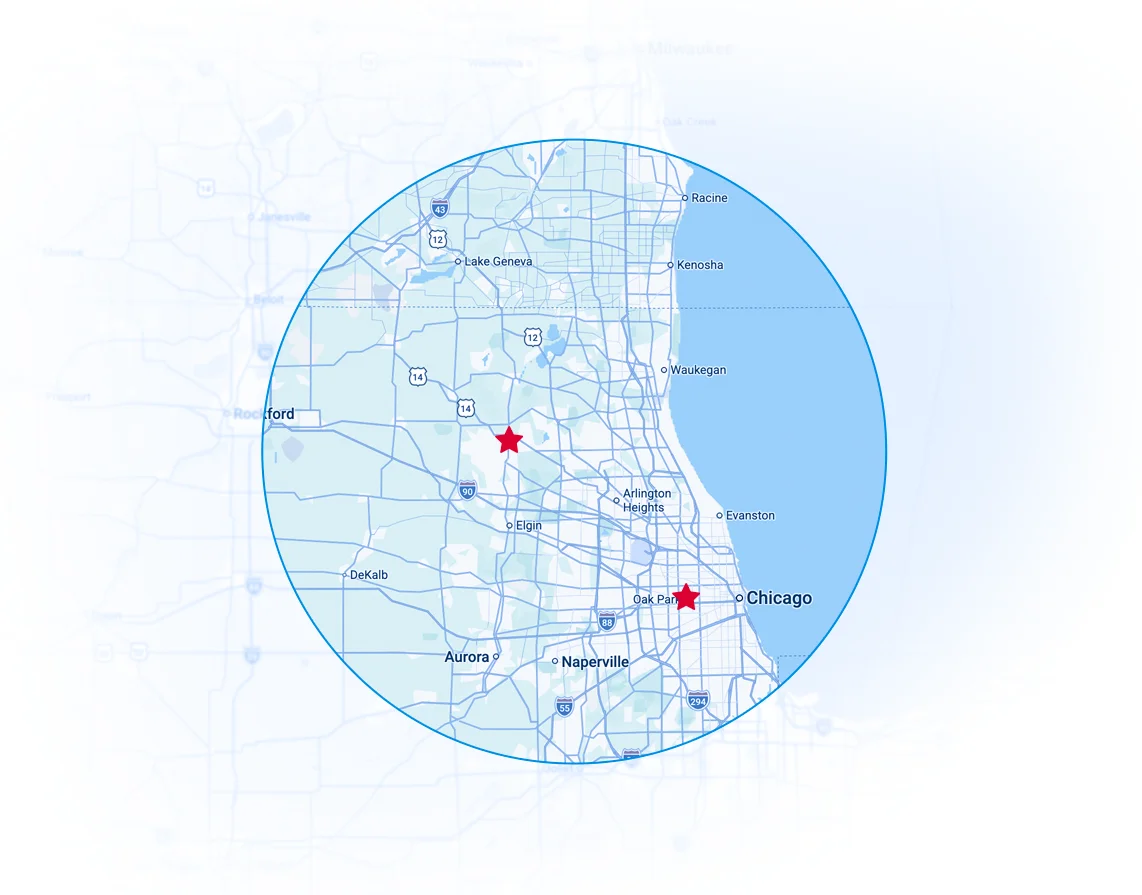
Don’t wait for a freezing night to find out if your furnace can handle a real Chicago winter. Since 1961, Althoff Home Services has helped families in Crystal Lake, Hillside, and nearby suburbs stay warm and comfortable through all kinds of Midwest weather, and we’ve got some great deals going on right now if your system ends up needing work!
We always give you an upfront quote before any work, and we stand behind every inspection with our 100% satisfaction guarantee.
Keep your home safe and avoid getting caught in the cold. Call Althoff Home Services at (815) 201-5676 to schedule your 20-point furnace inspection, or ask about our annual maintenance membership for easy, year-round peace of mind.